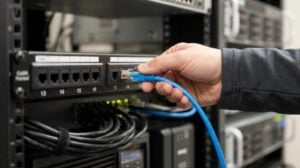
Physical security often gets overshadowed by flashy cybersecurity tools and headlines about data breaches. Yet, physical threats can shut down entire IT systems in minutes. The real surprise is that even a single incident of unauthorized physical access can cost a company an average of 5 million dollars or more in recovery and damages. Most businesses focus on firewalls but forget that a simple unlocked door can cause just as much chaos.
Table of Contents
- What Is Physical Security In IT?
- Why Physical Security Is Essential For Businesses
- How Physical Security In IT Protects Assets
- Key Components Of A Strong Physical Security Strategy
Quick Navigation: Physical Security in IT Systems
| Takeaway | Explanation |
|---|---|
| Implement access control systems | Limit entry to critical infrastructure to protect technological assets effectively. |
| Utilize surveillance technologies | Monitor areas with cameras to deter unauthorized access and identify breaches promptly. |
| Conduct regular security audits | Assess vulnerabilities regularly to ensure ongoing effectiveness of security measures. |
| Establish clear authorization protocols | Define who can access different areas, preventing unauthorized physical entry. |
| Train personnel on security awareness | Elevate staff awareness of physical security risks and proper protocols to mitigate them. |
What is Physical Security in IT?
Physical security in IT represents a critical layer of protection that safeguards an organization’s technological infrastructure, hardware, and sensitive data from real-world threats. Unlike digital security measures that focus on software and network protections, physical security addresses tangible risks that could compromise an entire technology ecosystem.
Defining Physical Security in IT Systems
Physical security encompasses comprehensive strategies and mechanisms designed to prevent unauthorized access, protect critical technological assets, and mitigate potential physical risks. According to NIST, this involves protecting personnel, hardware, networks, and data from physical circumstances and events that could cause significant losses.
Key components of physical security in IT include:
- Access Control Systems: Restricting entry to server rooms, data centers, and other critical infrastructure
- Surveillance Technologies: Monitoring physical spaces through cameras and tracking systems
- Environmental Protection: Controlling temperature, humidity, and preventing potential physical damage
- Device Protection: Securing computers, servers, network equipment, and mobile devices
Importance of Comprehensive Physical Security
Understanding physical security requires recognizing that digital threats are not exclusively electronic. Potential risks include:
- Unauthorized personnel entering secure areas
- Physical theft of hardware containing sensitive information
- Potential sabotage or intentional equipment damage
- Natural disasters impacting technological infrastructure
By implementing robust physical security protocols, organizations create multiple defensive layers that complement digital cybersecurity strategies. Effective physical security ensures that technological assets remain protected from both external and internal threats, maintaining the integrity of an organization’s digital ecosystem.
To clarify the foundational elements of physical security in IT, the table below outlines essential components and their specific purposes as described in the article.
| Component | Purpose |
|---|---|
| Access Control Systems | Restrict entry to critical IT infrastructure to prevent unauthorized access |
| Surveillance Technologies | Monitor physical spaces and deter unauthorized entry |
| Environmental Protection | Maintain safe temperature, humidity, and prevent physical/environmental damage |
| Device Protection | Secure hardware and mobile devices from theft or tampering |
| Security Personnel | Provide on-site monitoring and rapid incident response |
| Biometric Authentication | Ensure only authorized individuals gain access using unique biological characteristics |
| Secure Equipment Storage | Safeguard sensitive equipment during transport and when not in use |
| Authorization Protocols | Define and enforce who can access specific areas |
Why Physical Security is Essential for Businesses
Physical security is not just a technical requirement but a fundamental business protection strategy that directly impacts an organization’s operational integrity, financial stability, and reputation. While many businesses focus extensively on digital security, physical security remains a critical yet often overlooked component of comprehensive risk management.
Financial and Operational Risk Mitigation
Businesses face substantial financial risks from physical security breaches. According to the Federal Trade Commission, inadequate physical security can expose sensitive company data and lead to significant economic losses. The potential consequences extend far beyond immediate equipment replacement costs.
Potential financial impacts include:
- Direct costs of stolen or damaged technological equipment
- Potential revenue loss during system downtime
- Expenses related to data recovery and system restoration
- Potential legal liabilities from compromised client or employee information
- Reputational damage leading to decreased customer trust
Protecting Intellectual Assets and Sensitive Information
Physical security serves as a critical defense mechanism for protecting an organization’s most valuable intangible assets. Unauthorized physical access can compromise:
- Proprietary research and development documentation
- Strategic business plans and financial records
- Customer databases and personal identification information
- Confidential communication archives
- Prototype designs and innovative technological blueprints
By implementing robust physical security measures, businesses create multiple protective barriers that safeguard their critical intellectual property from potential theft, espionage, or unauthorized disclosure. Comprehensive physical security transforms potential vulnerabilities into strategic advantages, ensuring that sensitive information remains protected from both internal and external threats.
How Physical Security in IT Protects Assets
Physical security in IT represents a strategic approach to safeguarding technological resources, creating multiple layers of defense that protect an organization’s most critical digital and physical infrastructure. By implementing comprehensive protective measures, businesses can effectively mitigate risks and prevent unauthorized access to their technological ecosystem.
Asset Protection Mechanisms
According to the U.S. Department of Commerce, protecting organizational assets requires a multifaceted approach that evaluates potential vulnerabilities and implements targeted countermeasures. Physical security strategies go beyond simple locks and barriers, encompassing sophisticated systems that monitor, control, and restrict access to critical technological resources.
Key asset protection mechanisms include:
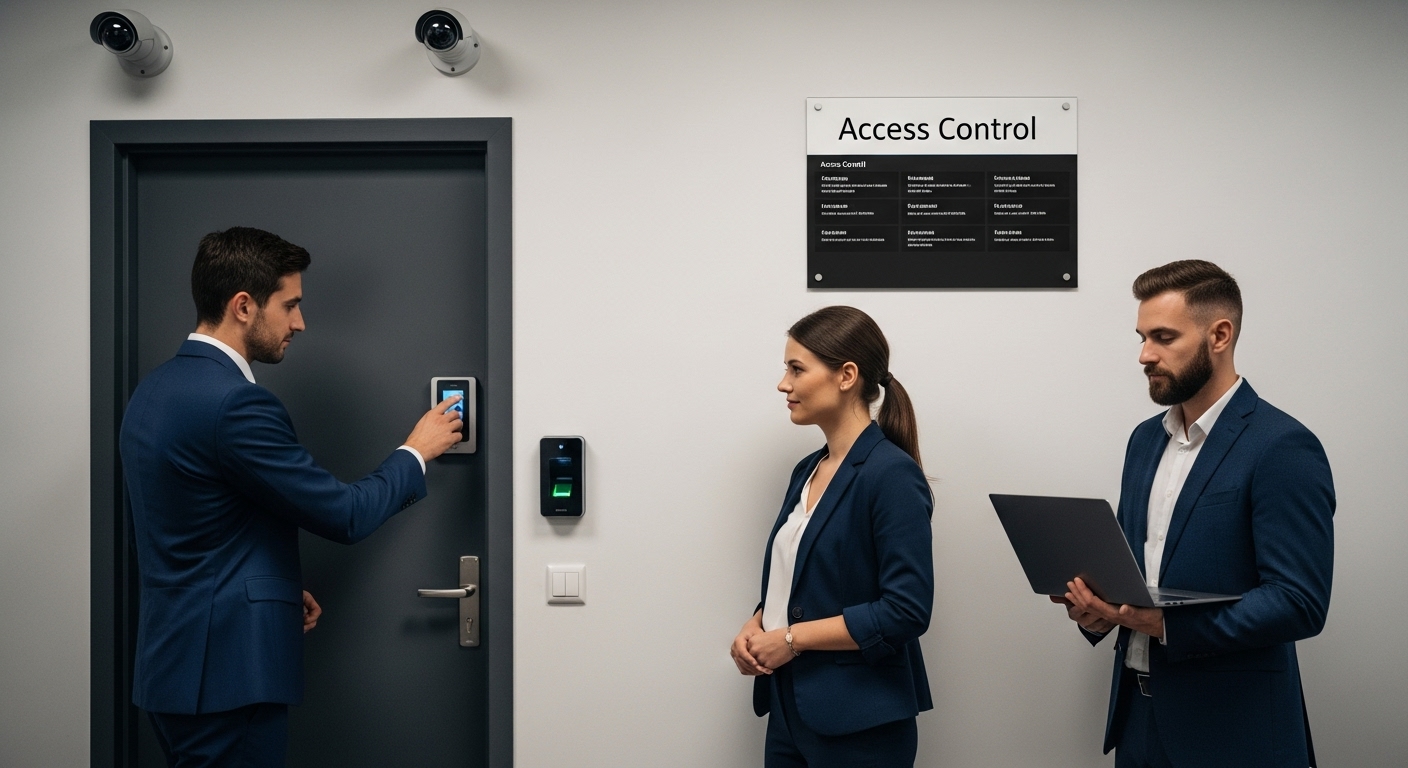
- Restricted physical access to server rooms and data centers
- Biometric authentication systems
- Security personnel and surveillance monitoring
- Secure equipment storage and transportation protocols
- Environmental control systems preventing hardware damage
Preventing Unauthorized Access and Potential Threats
Physical security in IT addresses various potential threats that could compromise organizational assets. These threats range from deliberate intrusions to accidental exposure and include:
- External criminal activities like theft or equipment sabotage
- Internal risks from disgruntled or careless employees
- Potential industrial espionage attempts
- Accidental damage from environmental factors
- Unauthorized physical access to critical infrastructure
Comprehensive physical security transforms potential vulnerabilities into robust protective barriers, ensuring that technological assets remain secure from multiple potential risk vectors. By creating layered defense mechanisms, organizations can significantly reduce the likelihood of physical security breaches and protect their most valuable technological resources.
Key Components of a Strong Physical Security Strategy
A robust physical security strategy represents a comprehensive approach to protecting an organization’s technological infrastructure, personnel, and critical assets. By implementing a multifaceted defense system, businesses can create multiple layers of protection that address various potential vulnerabilities.
Foundational Security Principles
According to Florida State University’s IT Physical Security Standard, a strong physical security strategy must incorporate systematic principles that go beyond simple protective measures. Effective physical security requires a holistic approach that anticipates and mitigates potential risks.
Key foundational principles include:
- Comprehensive risk assessment and vulnerability mapping
- Clear authorization protocols for physical access
- Regular security infrastructure audits
- Continuous personnel training and awareness programs
- Adaptive security mechanisms that evolve with technological changes
Multilayered Defense Mechanisms
Physical security strategies typically encompass four critical components that work synergistically to protect organizational assets:
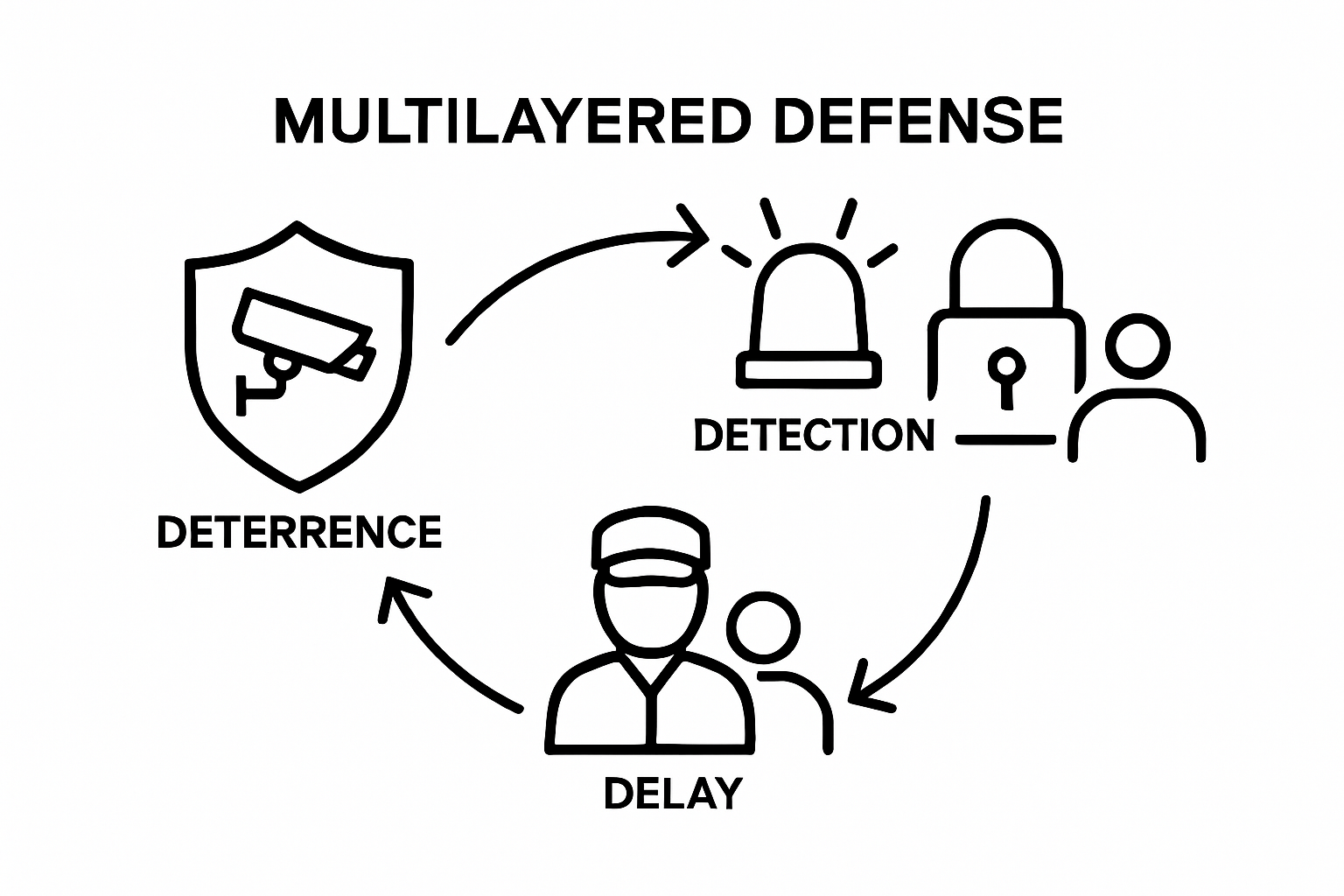
- Deterrence: Implementing visible security measures that discourage potential unauthorized access
- Detection: Utilizing advanced monitoring systems to identify potential security breaches
- Delay: Creating physical barriers and protocols that slow down or prevent unauthorized entry
- Response: Establishing rapid intervention protocols to address security incidents
Comprehensive physical security transforms potential vulnerabilities into strategic defensive capabilities, ensuring that organizations can proactively protect their most critical technological and human resources against an evolving landscape of physical and digital threats.
The following table compares four key elements of multilayered defense mechanisms in physical security, highlighting how each layer contributes to a comprehensive security strategy.
| Defense Layer | Description | Goal |
|---|---|---|
| Deterrence | Visible security measures and protocols that discourage breaches | Prevent potential threats before attempt |
| Detection | Advanced monitoring systems to identify security incidents promptly | Recognize unauthorized access quickly |
| Delay | Physical obstacles and procedures that slow intruders | Provide time for effective response |
| Response | Incident management and rapid intervention protocols | Minimize damage and restore security |
Close the Gaps in Your IT Physical Security—Partner with SRS Networks
If your organization is worried about unauthorized access, data theft, or gaps in your physical security strategy, you are not alone. Many local businesses underestimate how easily weak access controls or poor monitoring can expose sensitive data and technology assets. As covered in our article, a comprehensive physical security approach safeguards your business from real-world risks that digital defenses can’t catch. You deserve a solution tailored to your specific environment and local needs.

Ready to put proven physical security expertise to work for your organization? SRS Networks delivers end-to-end protection with accessible network infrastructure support, managed IT services, and on-site security consulting—all designed with the realities of modern business in mind. Do not wait until a breach exposes your valuable data. Contact our team today and let us help you build a robust, future-proof protection plan that keeps your business running safely and smoothly.
Frequently Asked Questions
What is physical security in IT?
Physical security in IT refers to the measures and strategies implemented to protect an organization’s physical technological assets, including hardware and sensitive data, from real-world threats such as theft, unauthorized access, and environmental hazards.
Why is physical security important for businesses?
Physical security is crucial for businesses as it mitigates financial risks associated with breaches, protects intellectual assets, ensures operational integrity, and maintains customer trust by safeguarding sensitive information from unauthorized access or physical damage.
What are key components of a physical security strategy in IT?
A strong physical security strategy includes access control systems, surveillance technologies, environmental protection mechanisms, and asset protection protocols to prevent unauthorized access and mitigate potential physical risks.
How can organizations implement effective physical security measures?
Organizations can enhance physical security by conducting comprehensive risk assessments, establishing clear access authorization protocols, utilizing advanced monitoring systems, and ensuring regular audits and personnel training to adapt to evolving security needs.